Independent Bespoke Tailor
Răzvan Pintea
Most people first discover bespoke tailoring while looking for a better suit.
What they usually find is something adjusted to fit.
Traditional bespoke begins somewhere else.
It begins with the individual.
Before fabric is cut, before a pattern exists and before construction starts, the tailor studies the person who will wear the garment. Posture, balance, movement and proportion become part of the pattern itself.
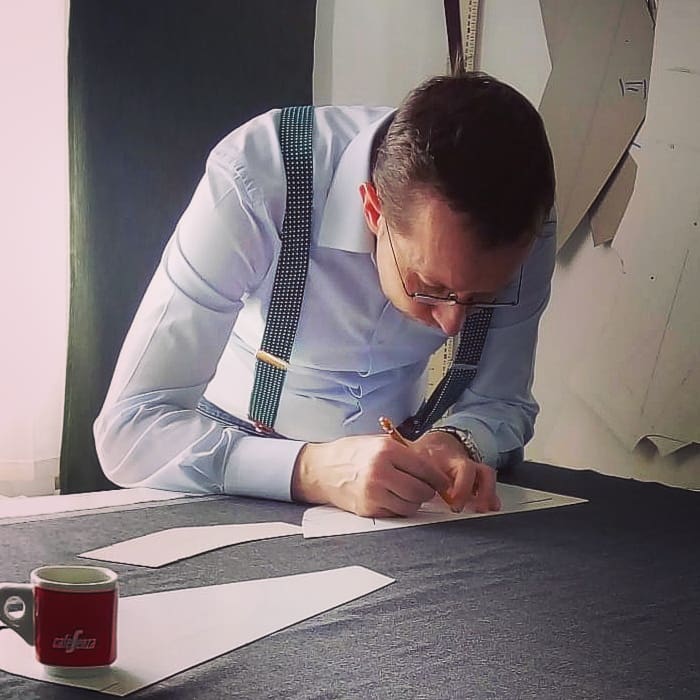
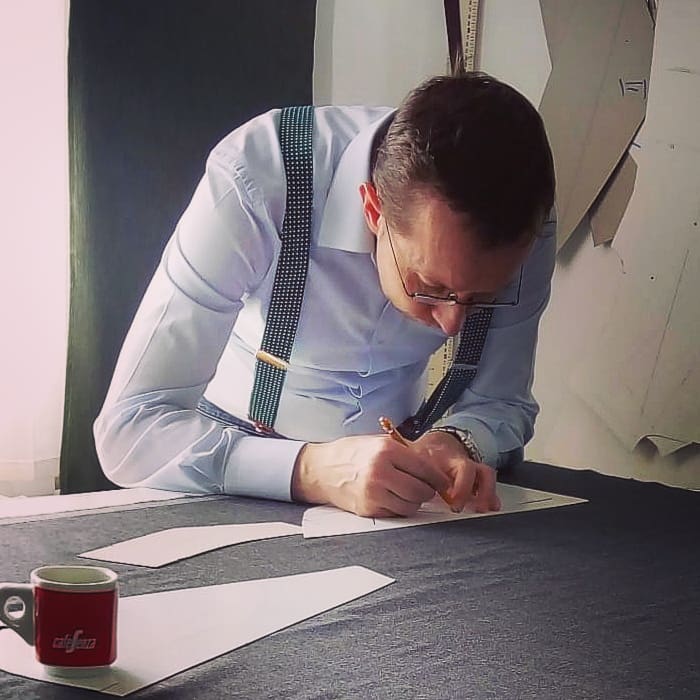
That is why every commission in my workshop starts with a hand-drafted paper pattern created exclusively for one client. The garment is then refined through basted fittings and built using traditional full canvas construction.
Working independently in Bucharest, I follow the traditional bespoke method, where every jacket, suit and overcoat is developed individually rather than adapted from an existing model.
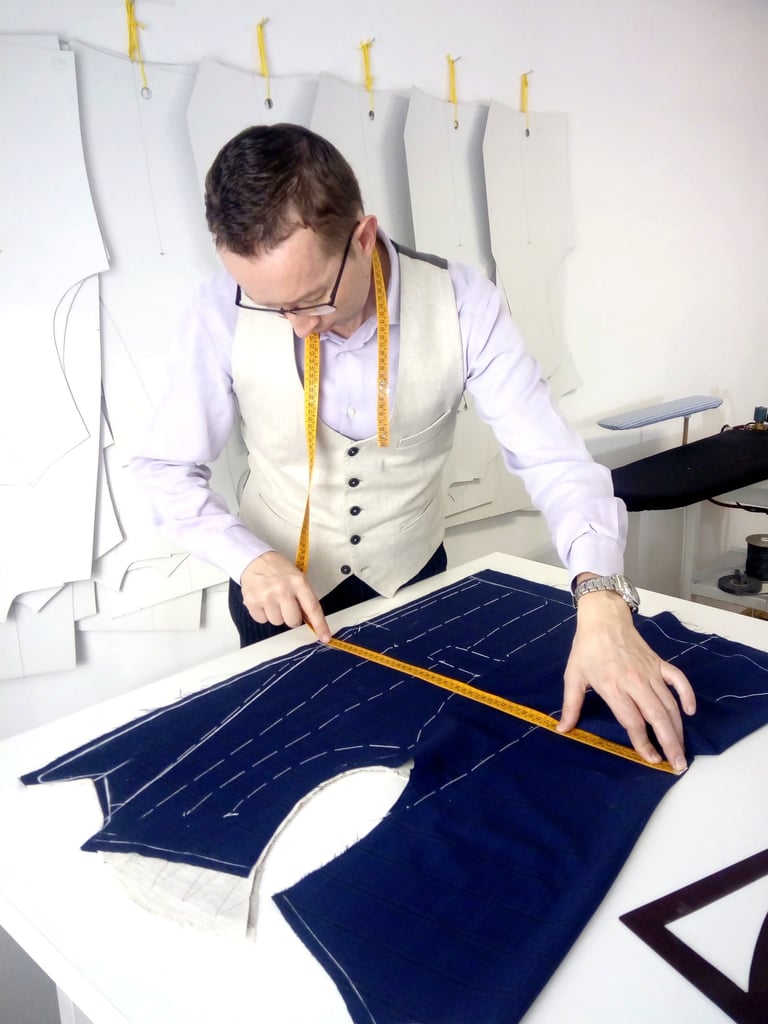
How Bespoke Begins
Every bespoke garment follows the same purpose: not to make the person fit the garment, but to make the garment develop around the person.
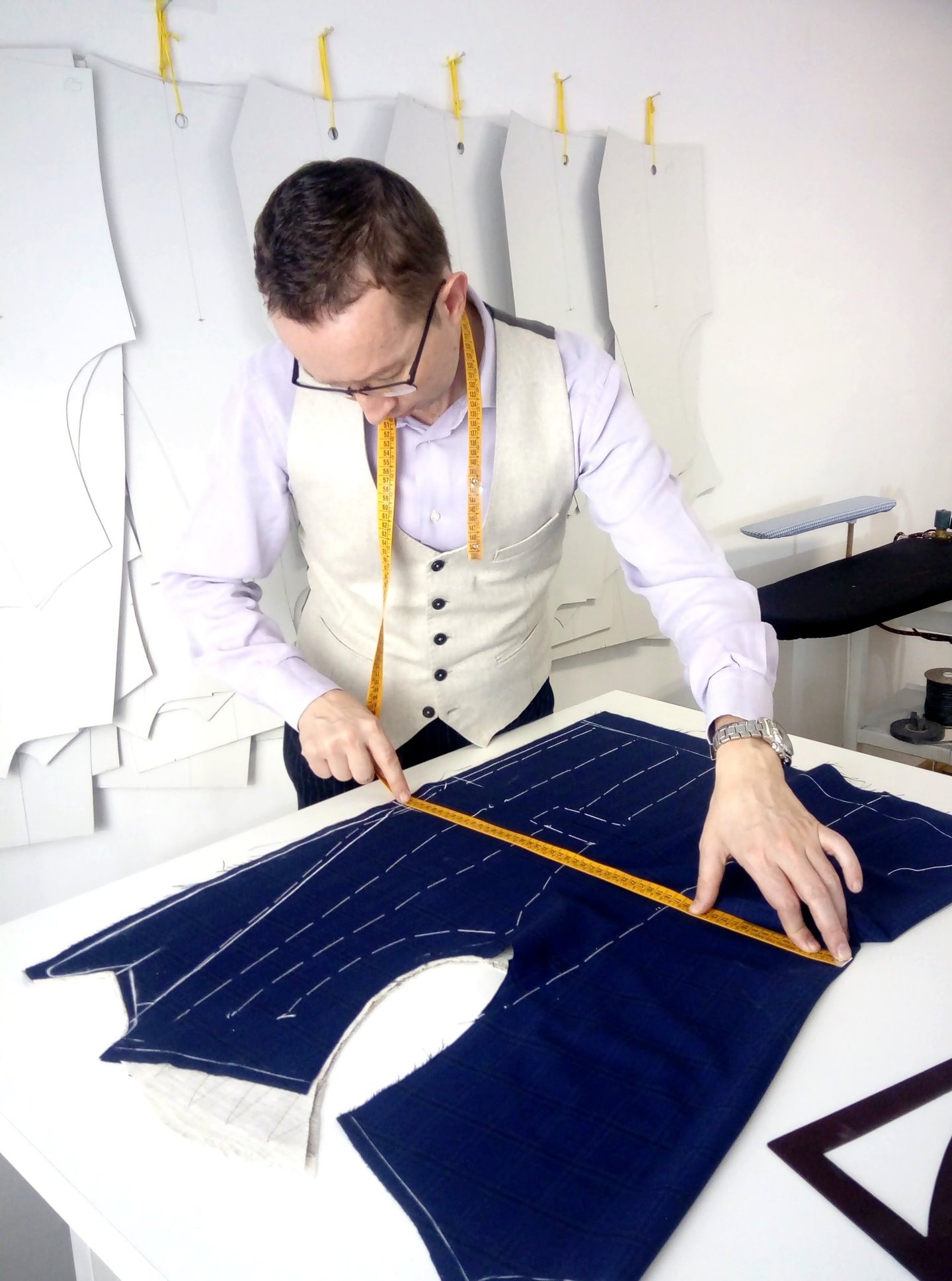
The process begins long before the cloth is cut. Every client brings a different posture, shoulder balance, body proportions and way of moving. These characteristics become part of the garment from the very first stage.
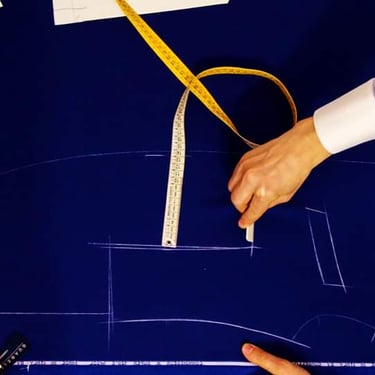
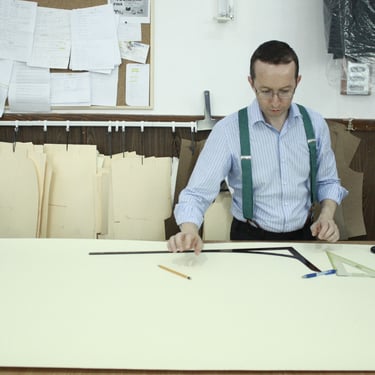
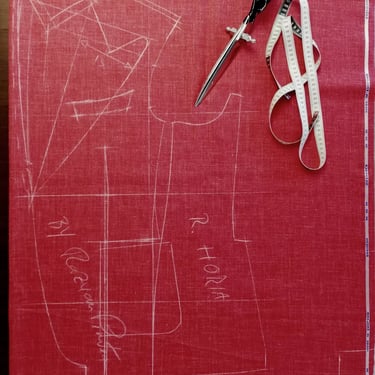
A unique paper pattern is drafted by hand for each commission. It is not selected from a library or adapted from an existing template. It is created specifically for the individual who will wear it.
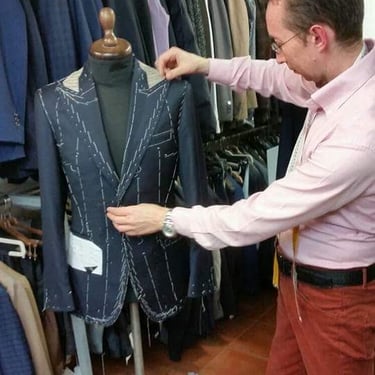
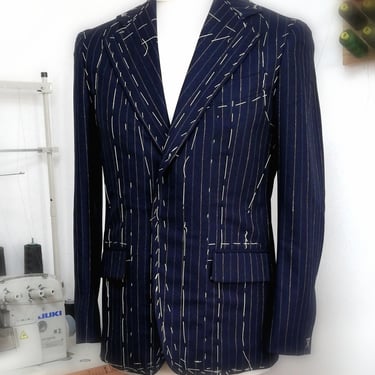
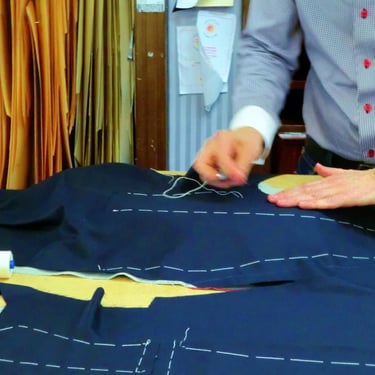
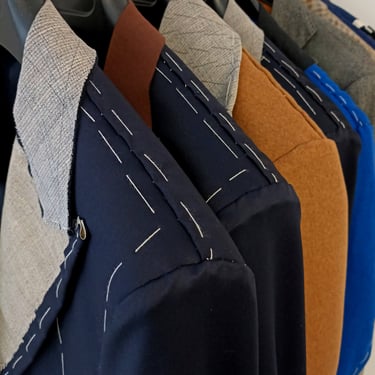
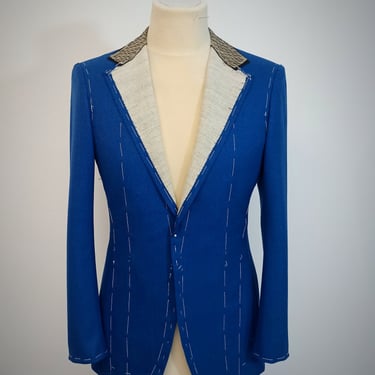
The first fitting takes place while the garment is temporarily assembled with basting stitches. At this stage, balance, silhouette, comfort and movement can be refined naturally before permanent construction begins.
Only after these adjustments is the garment built using traditional full canvas construction and hand finishing. Every stage follows the previous one, allowing the jacket, suit or overcoat to develop gradually instead of forcing the wearer to adapt to a predetermined shape.
Traditional bespoke tailoring is not defined by a single technique. It is defined by a process in which every decision begins with the individual.
The Method
The four stages of BespokeTailoring
Understanding the Individual
Creating the Pattern
Refining Through Fittings
Completing the Garment
Every bespoke commission begins by understanding the person rather than selecting a garment. Measurements are only one part of the process. Posture, natural balance, shoulder position, body proportions and the way a person moves are carefully observed before the first pattern is drawn. The goal is not simply to record dimensions, but to understand the individual the garment is being created for.
Using these observations, a unique paper pattern is drafted entirely by hand. It belongs to one client only and becomes the foundation of every decision that follows. Rather than adapting an existing model, the garment begins as an original design developed specifically for that individual.
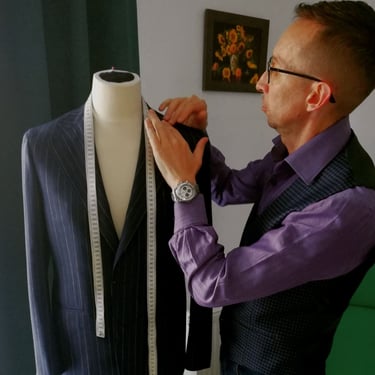
The first fitting takes place while the garment is assembled with temporary basting stitches. This allows balance, silhouette, comfort and movement to be refined naturally before permanent construction begins. The pattern evolves together with the client until every adjustment reflects the person rather than a predetermined shape.
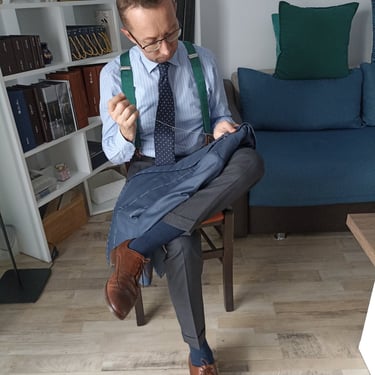
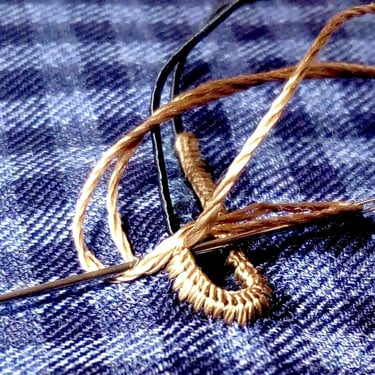
Only after the fitting process is complete does the final construction begin. Traditional full canvas techniques, careful hand finishing and precise pressing allow the garment to develop its own natural structure. The finished piece is not simply made to fit; it has been created around one individual from the very beginning.
The Atelier
Inside the workshop
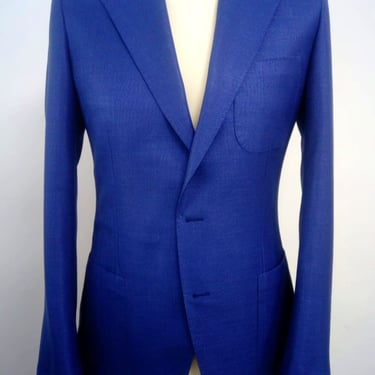
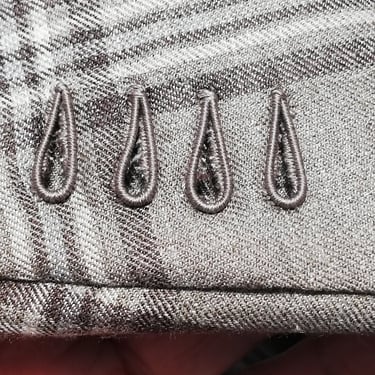
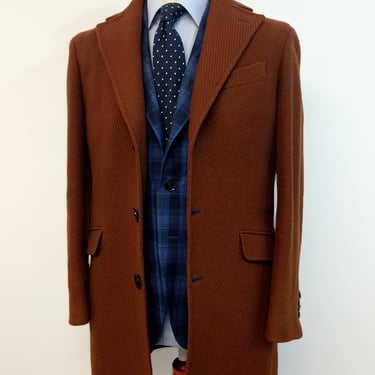
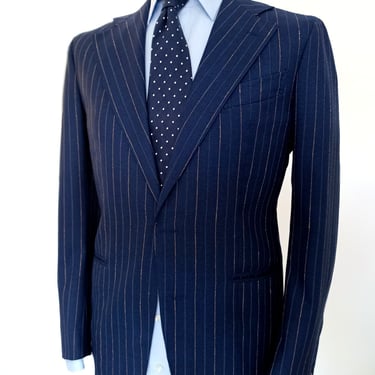
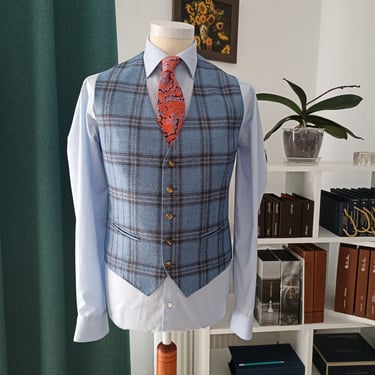
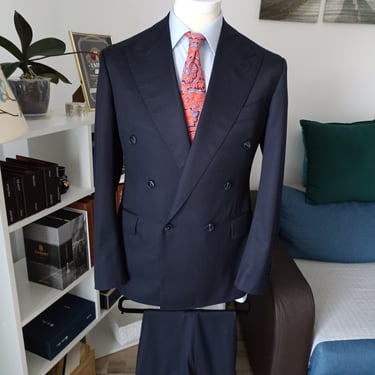
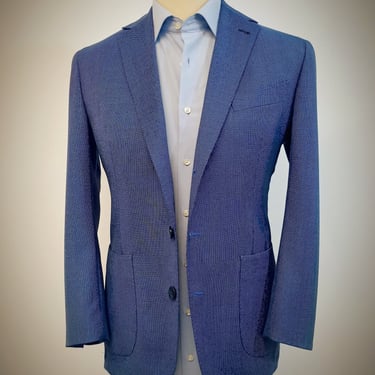
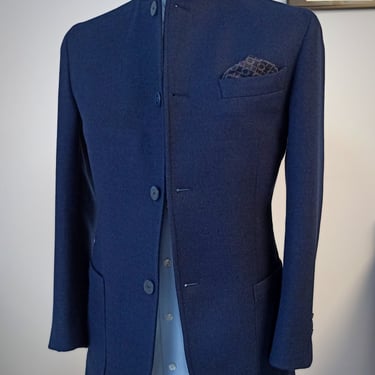
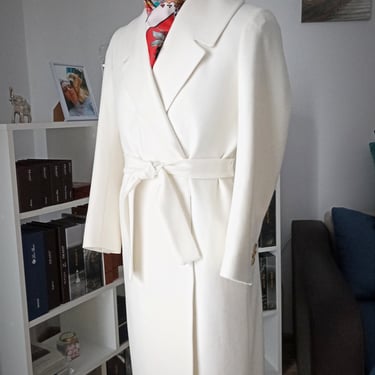
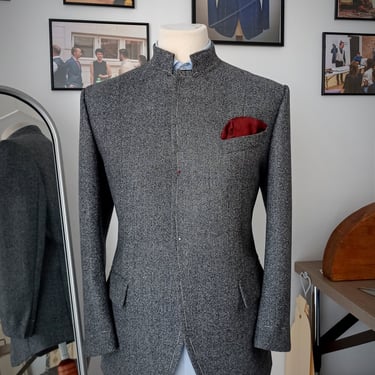
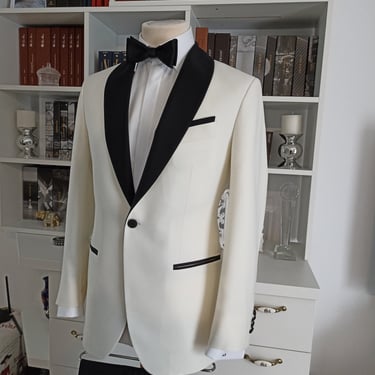
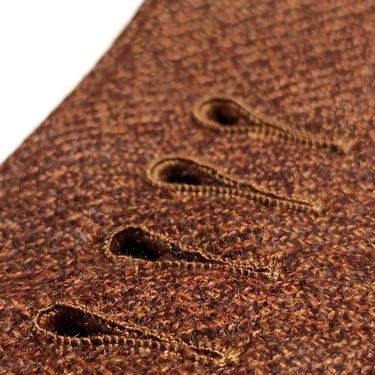
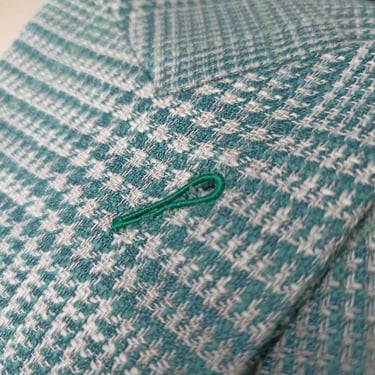
Every garment shown here documents a real stage of the bespoke tailoring process. From hand drafted paper patterns and basted fittings to full canvas construction, hand padding, pressing and final finishing, these photographs reflect everyday work inside an independent bespoke tailoring workshop in Bucharest. Rather than a showroom, this is the working environment where each bespoke jacket, suit and overcoat is developed individually using traditional tailoring methods.